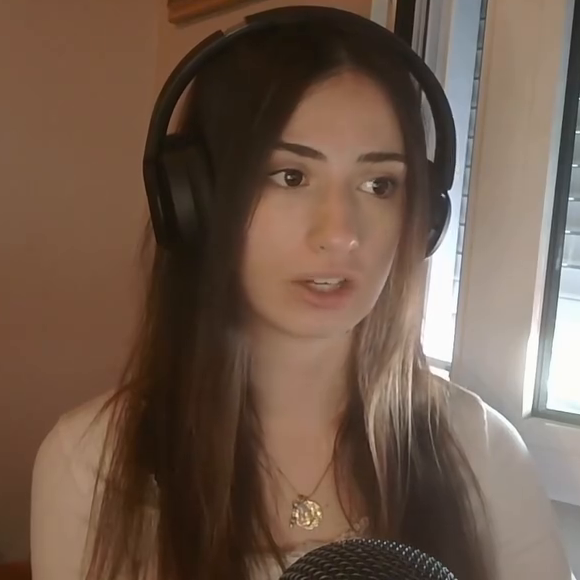
In the reel by Anemiska, an Italian creator, the landscape fills the top of the screen; below it, the player in headphones explains where to look. She points to yellow signs and links the scene to Iceland. Subtitles follow the reasoning, while a map reveals the answer. Whoever lands on the video sees an ordinary road and, seconds later, the detail that gave the country away.
"Geoguessr" players take their name from GeoGuessr, the online game in which you study a Google Street View panorama and pin on a map where you think it was shot. The closer you are to the actual location, the higher your score. Around the game coexist enthusiasts, competitors, and creators who record their sessions — roles that often overlap. The shared skill is narrowing down the possibilities through visual clues.
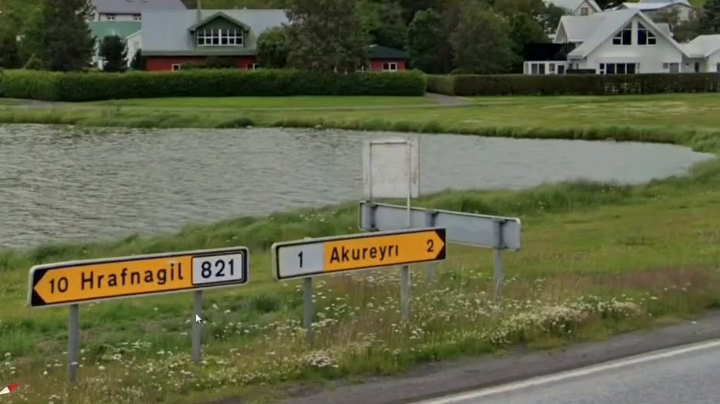
Some clues are immediate, like written text. Others are learned through repetition and concern, for example, the shape of road signs or lane markings. A portion of the knowledge depends even on how Google collected the images. Players call these technical clues "meta." The community guide Plonk It describes, in certain images of Ghana shot with third-generation cameras, a roof rack with black tape on the front bar: recognising the vehicle helps place the scene. Ghana's fourth-generation coverage has different characteristics.
GeoGuessr was presented in May 2013 as an experiment by Anton Wallén built on Google Maps tools. By 2015, Tom Davies, known as GeoWizard, was already publishing videos dedicated to the game. In longer sessions he narrates the deduction process, leaving room for attempts and doubt.
Brandwatch, a company that analyses online conversations, detected a rise in GeoGuessr discussions in 2020 and an acceleration between the end of that year and early 2021, attributing a role to streamers. In 2022 Trevor Rainbolt was demonstrating runs in which the image stayed visible for one tenth of a second. That time measures exposure to the photo, not the full solution. In an interview published by NPR that same year, Rainbolt described a learning process based on comparing clues; he also applied location recognition to places appearing in music videos, outside of actual games.
Trevor Rainbolt shows how he reads clues in GeoGuessr. Video: WIRED.
The reel audience can try to spot the clues in the image themselves. Twitch streams run at a far more leisurely pace: on Anemiska's nemiskii channel, a recording titled "SPAIN GRIND" runs for over an hour. The vertical edit of the reel and the full-length session offer two different ways of following the same practice.
The competitive circuit held its first official world championship in Stockholm in 2023. The Berlin edition runs from 2 to 5 September 2026 and brings together 24 finalists.
GeoGuessr claims over 100 million players across more than 140 countries, without specifying on its company page the measurement period or how many are active each month. The official creator programme for YouTube, TikTok and Twitch links codes to commissions on related purchases; the page does not indicate the total number of participants. The company figure refers to people who play — a different population from creators or world finalists. Counting profiles across multiple platforms would also mean counting the same person more than once: Anemiska appears on Instagram and TikTok and uses the name nemiskii on Twitch.