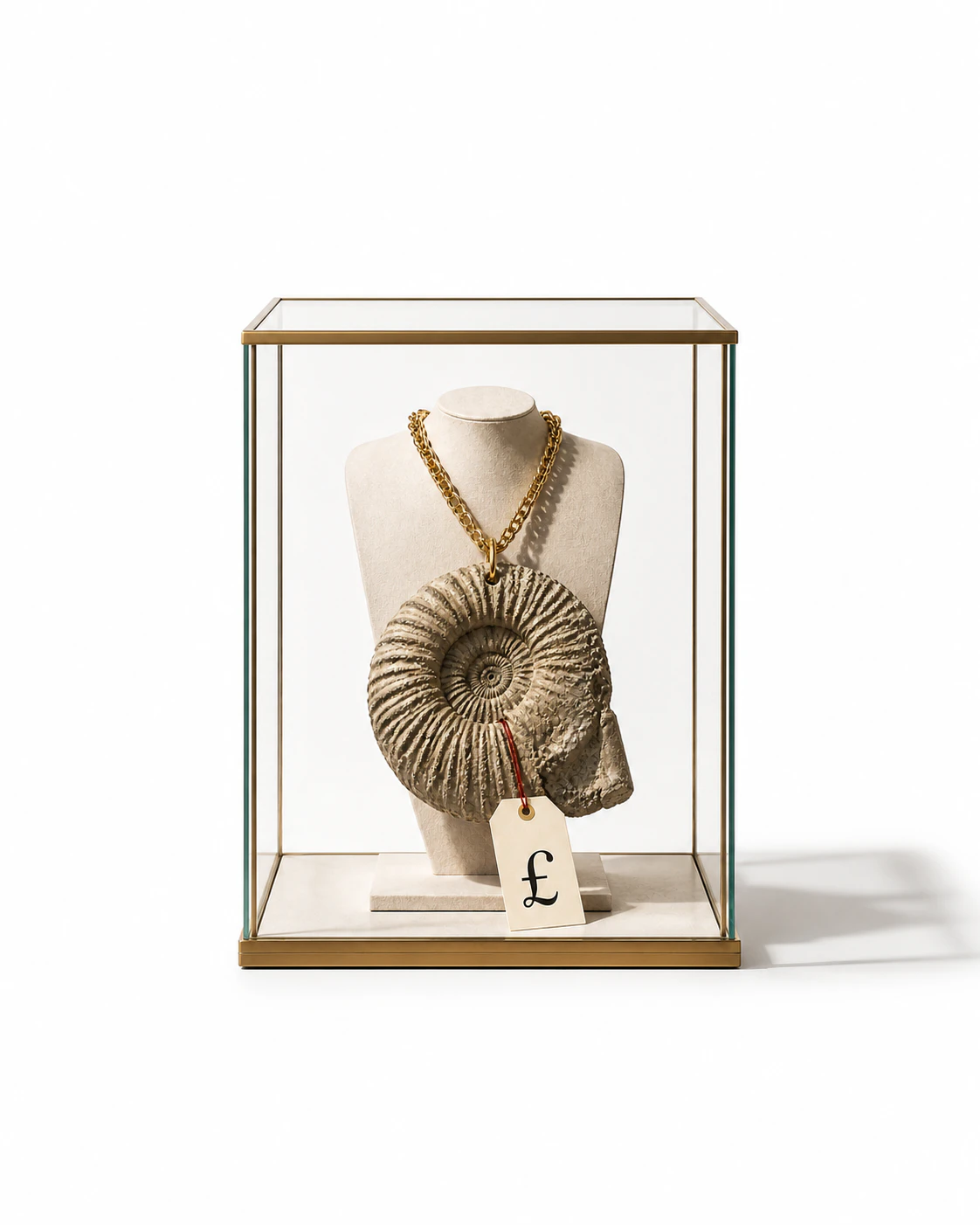
What does a country's natural history cost? In the UK, this time, too much.
One of the most significant collections of British Jurassic fossils — 318 specimens gathered along Dorset's Jurassic Coast — has been acquired by the Natural History Museum Abu Dhabi after the Natural History Museum in London and Museum Wales both pulled out of the purchase.
The collection includes ichthyosaurs, fish, crustaceans and other animals that lived roughly 200 million years ago. Some specimens may belong to species still unknown to science.
The collection was assembled by British fossil hunter Chris Moore. Before the sale to the United Arab Emirates, it had been offered to British museums for upwards of ten million pounds. The institutions involved explained they did not have the resources to fund the purchase and upkeep of a collection of this size.
The sale broke no law.
In the UK, fossils are not subject to the same rules that apply to many archaeological finds or objects deemed cultural heritage. If legally recovered, they can be privately owned, sold, and taken out of the country. There is no specific mechanism allowing the state to retain them simply because they are of exceptional scientific value.
That is what has reopened the debate.
Several British palaeontologists consider the collection to be of national importance and are asking whether irreplaceable specimens should be available to any buyer when public museums cannot compete with the international market.
This is not an isolated case. In recent years the prices of the most spectacular fossils have risen sharply. In 2020, the Tyrannosaurus rex skeleton known as Stan sold for 31.8 million dollars. It too is now at the Natural History Museum Abu Dhabi.
The Dorset collection will remain accessible to the public — just not in the country where it was found.
We ask: at what point does a fossil stop being merely a scientific object and become national heritage?