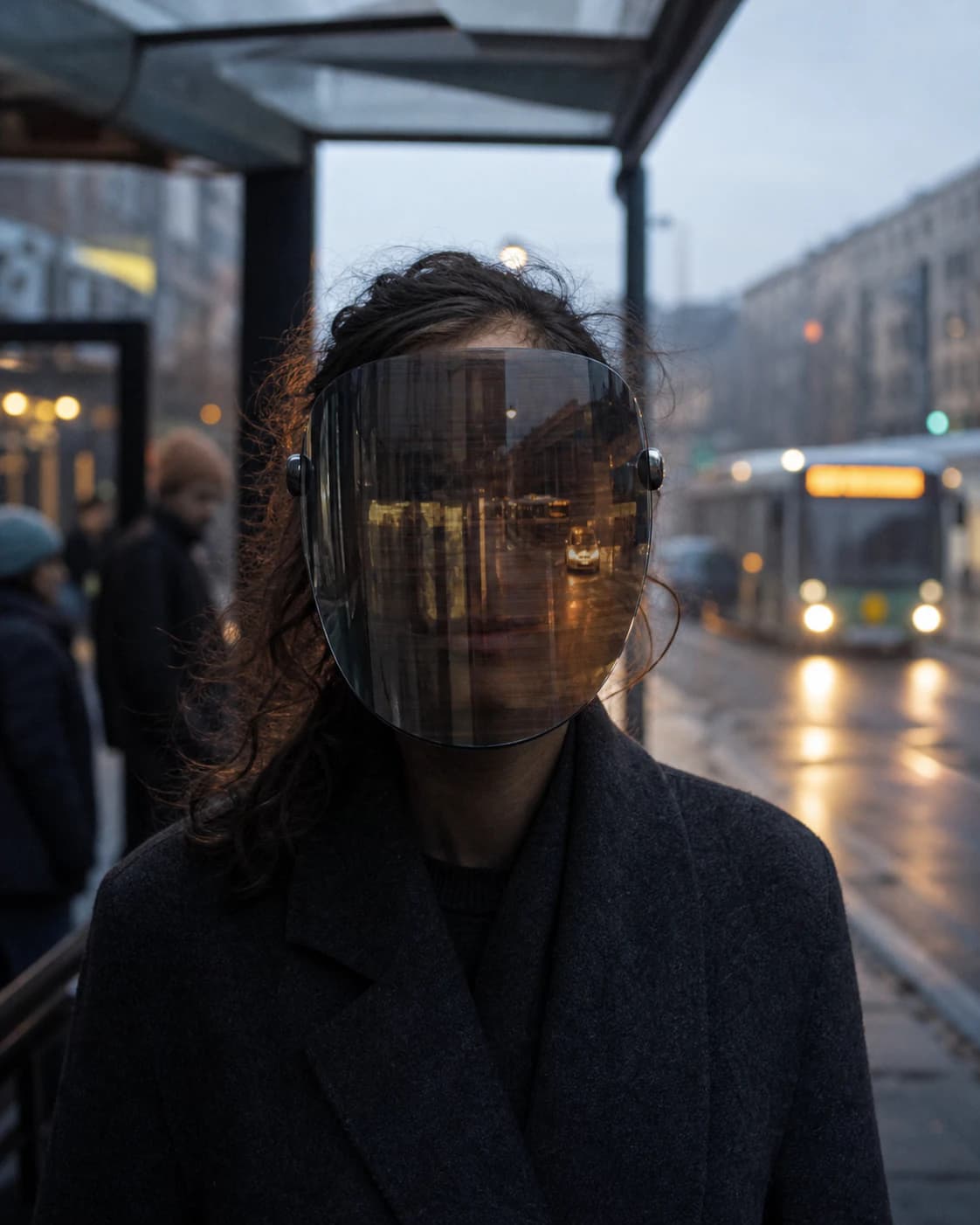
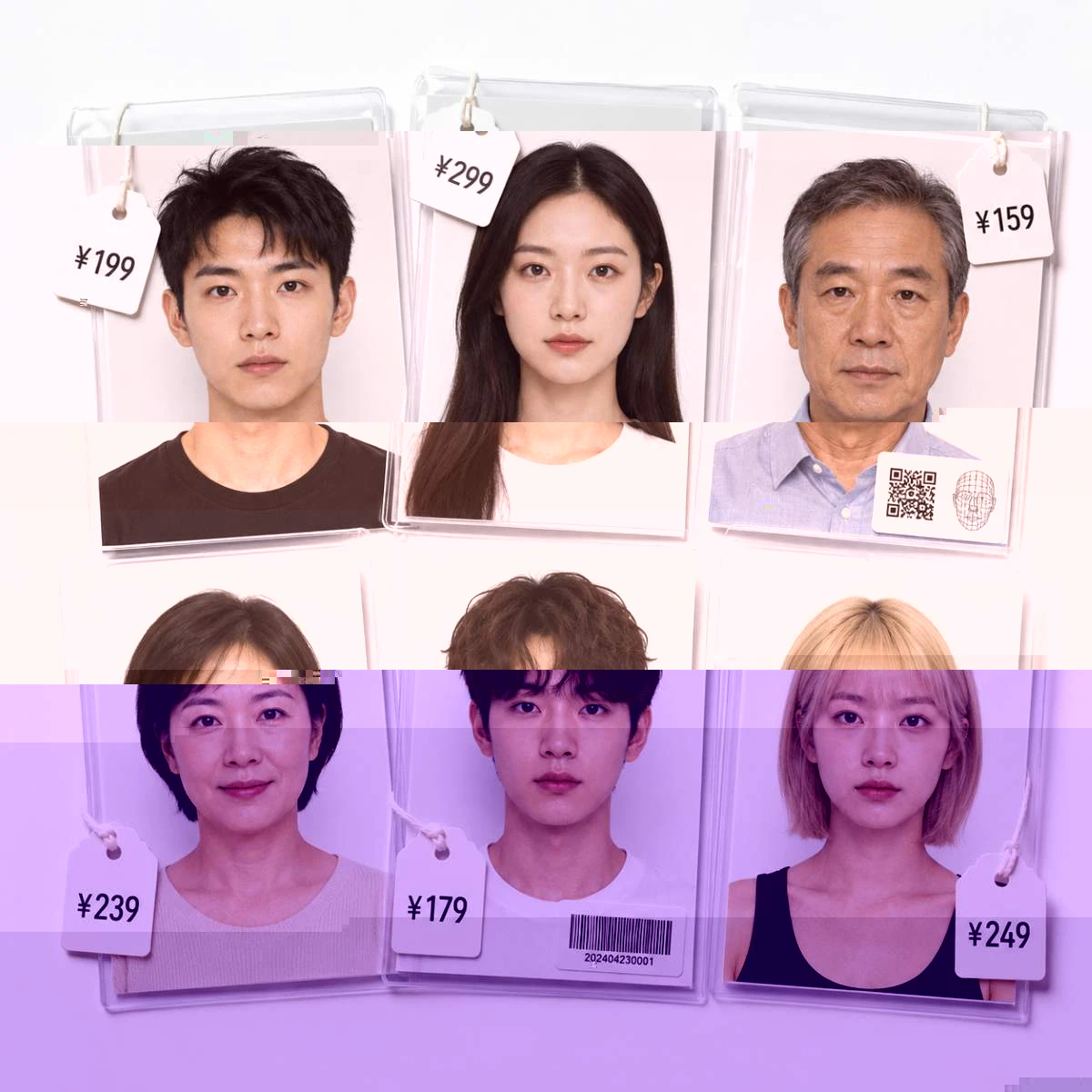
In China, platforms have emerged where a person can upload photographs of their face, set a price, and authorise its use in AI-generated content.
Producers browse catalogues of faces sorted by age, gender and type: the girl next door, the rugged man, the supermodel, the elderly gentleman. They can pick the right face for an advertisement, a video game, a romantic comedy or a vertical micro-drama. The person providing it doesn't have to act, learn lines or show up on set. Their face is enough.
ActID, one of the active platforms in the sector, reports around eight hundred registered users: three hundred have agreed to license their image, and around ten faces have already appeared in AI productions. Prices range from 99 to 500 yuan per episode, with a ten percent commission. New Claw, which grew out of the difficulties of a production company overwhelmed by AI's arrival, has set a minimum of 500 yuan per image.
The market has grown alongside micro-dramas — very short series designed to be watched vertically on a phone. In the first three months of 2026, around 128,000 were released in China, and more than 95 percent used artificial intelligence in at least one stage of production. Many synthetic characters, however, end up looking alike. To make them seem less artificial, companies have started looking for human beings again.
The platforms present the system as an orderly alternative to identity theft: everyone can decide where to license their face and at what price. The problem starts after that. Contracts don't always make clear who will be able to use that biometric data, for how long, or in which future productions. Once a face enters the catalogue, it can be harder to pull back than an actor from a set.
Artificial intelligence was supposed to eliminate the need for actors. To seem less artificial, it has started renting out their faces.