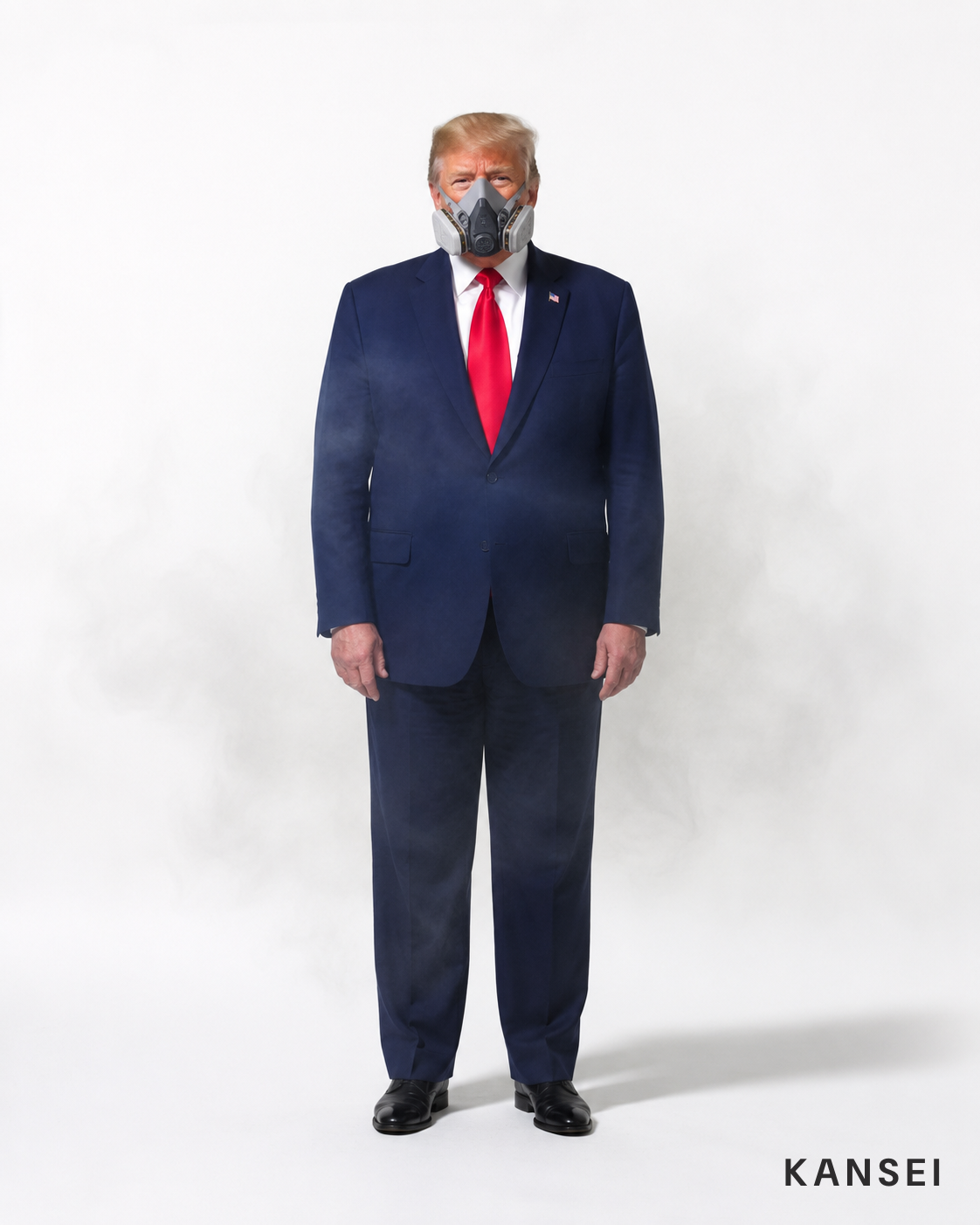
Having already turned cars, steel, and agricultural products into trade issues, Donald Trump wants to apply the same logic to wildfire smoke.
Over the past few days, hundreds of Canadian wildfires have blanketed a vast stretch of the United States in smoke, from the Midwest to the Northeast, prompting authorities to urge millions of people to limit outdoor activities. Trump accused Canada of failing to manage its forests properly and called the arrival of the polluted air a "totally unacceptable" situation.
The president then announced that the cost borne by the United States to deal with the pollution — which he described as "incalculable" — should be added to the tariffs already applied to Canadian goods. On Monday he said he had spoken with Prime Minister Mark Carney and asked him to bring the fires under control.
The Canadian government responded by noting that it has invested 12 billion Canadian dollars in wildfire prevention and forest management since 2020. It also pointed out that Canada and the United States have collaborated for decades against fires that can break out on either side of the border.
Experts link the rise in wildfires to higher temperatures and drier vegetation. Trump, instead, has turned them into yet another trade dispute: smoke cannot be stopped at the border, but its cost can be folded into a tariff.